
Counselling in Stevenage for stress, trauma and life-changing experiences.
I specialise in working with trauma. Person-centred and somatic counselling in Stevenage, Hertfordshire · Online and telephone sessions available across the UK.
In person · Online · Telephone
Counselling for stress, trauma and life-changing experiences
I specialise in stress and trauma, helping people understand how difficult experiences affect them emotionally and physically. As a person-centred and somatic counsellor, I offer a compassionate, non-judgemental space to explore what’s happening, reconnect with yourself and develop a greater sense of safety. I also bring lived experience of relational trauma and life-changing physical injury, offering an additional level of empathy and understanding.
How you might be feeling
Trauma and prolonged stress can affect us in many ways, both emotionally and physically. You might recognise some of the following:
- Feeling constantly on edge: anxiety, hypervigilance, overthinking or struggling to relax.
- Emotional difficulties: anger, irritability, overwhelm, shame or feeling unable to manage your reactions.
- Feeling disconnected: emotional numbness, withdrawal, difficulty trusting others or losing enjoyment in life.
- Changes in confidence and identity: questioning yourself, feeling inadequate or no longer recognising who you are.
- Physical effects: tension, fatigue, racing heart, disrupted sleep or brain fog.
These experiences can also follow serious accidents, life-changing injuries or acquired disabilities. You might be struggling with a loss of independence, changes to your body or relationships, or grieving the life you thought you would have. Sometimes, the emotional impact of these experiences can be just as difficult as the physical consequences.
Whatever you’re experiencing, you don’t need to justify how you feel or compare your experiences with anyone else’s.
Hi, I’m Ricky
I’m a person-centred and somatic counsellor, registered with the BACP. I specialise in stress and trauma, including the emotional and psychological impact of life-changing experiences.
Do you ever feel like you’re constantly fighting against yourself? Perhaps you overthink, struggle to switch off, feel constantly on edge or react in ways you don’t understand. Maybe you’ve lost confidence, struggle to trust others, feel disconnected or no longer recognise the person you used to be.
Difficult experiences can stay with us long after the events themselves have passed. Whether through a single traumatic event, difficult relationships or prolonged experiences of feeling emotionally unsafe, trauma can influence how we see ourselves, relate to others and experience the world.

‘Every human has a true, genuine, authentic self. Trauma is the disconnection from it, and healing is the reconnection to it.’
Gabor Maté
How I can help
I recognise that trauma affects both our minds and bodies. Even when circumstances have changed, our bodies can continue responding as though we’re under threat.
Using a person-centred and somatic approach, I offer a supportive space where you can explore your experiences at your own pace, without judgement or pressure. Somatic counselling explores the connection between mind and body, helping you understand how experiences influence physical sensations, emotions and responses.
Together, we can work towards:
- Understanding your thoughts, feelings and reactions.
- Recognising patterns and how past experiences influence your present.
- Developing practical ways to manage anxiety, overwhelm and stress.
- Building a greater sense of safety and connection with yourself.
- Rebuilding confidence, self-worth and trust.
- Navigating changes to identity, independence and relationships.
- Finding ways to move forward without feeling defined by your past.
You don’t need to know where to start or be ready to talk about everything. We can take things one step at a time, finding an approach that feels right for you.
A little about me – lived experience
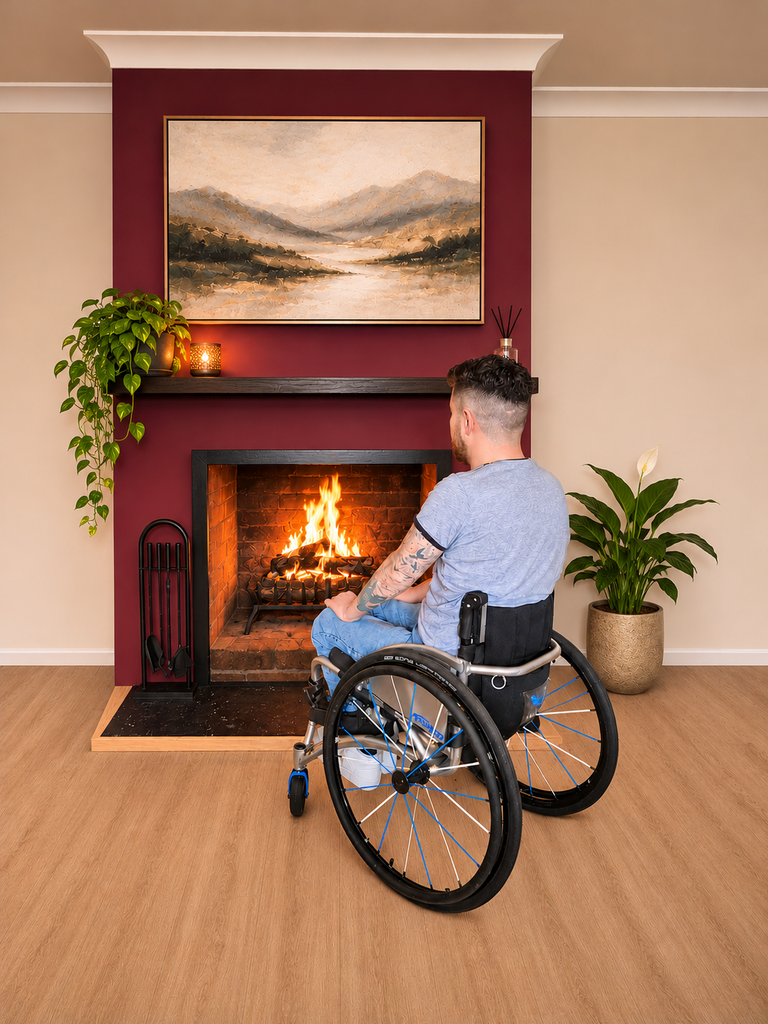
Alongside my professional experience, I bring my own lived experience of relational trauma and the profound impact of a car collision that resulted in me becoming paralysed.
I understand first-hand how life-changing experiences can challenge our identity, independence, confidence, relationships and sense of self. Adjusting to a life you hadn’t anticipated can bring complex emotions, including grief for the life you once knew and uncertainty about the future.
I also understand that trauma isn’t always visible. While physical changes may be apparent to others, the emotional and psychological impact can be much harder to explain.
Although everyone’s experiences are unique, my own journey allows me to bring genuine empathy, compassion and personal understanding to my work. Our sessions will always be about you, not me. I won’t make assumptions about how you should feel; instead, I’ll offer a space where you can feel heard, understood and supported.

‘Shame hates it when we reach out and tell our story. It hates having words wrapped around it – it can’t survive being shared.’
Brené Brown
What clients say
Taking the first step
Reaching out for counselling can feel daunting, particularly when you don’t know where to begin. You don’t need to have the right words or all the answers.
If something you’ve read resonates with you, I’d love to hear from you. We can start with a conversation about what’s bringing you to counselling and whether I might be the right person to support you.
FAQs
What is the difference between a psychotherapist, therapist and counsellor?
In the UK, the terms therapist, psychotherapist and counsellor can overlap, which can sometimes make choosing the right support confusing. Counselling is often associated with exploring current challenges and developing ways to cope, while psychotherapy may involve deeper exploration of experiences, emotions and long-standing patterns. However, there is no strict distinction, and the approach, training and experience of each professional can vary. If you’re looking for support with stress or trauma, a trauma-informed therapist can help you explore your experiences and work towards meaningful change. At AuthentRick Counselling in Stevenage, I offer a person-centred, trauma-informed approach tailored to your individual needs.
What is therapy actually like?
Therapy can look different for everyone, depending on your needs and the approach your therapist uses. At its heart, therapy is a collaborative and confidential space where you can explore your thoughts, feelings, emotions, behaviours and experiences without fear of judgement. Trauma-informed therapy offers an opportunity to explore how past experiences may influence your present life, helping you develop greater self-understanding and healthier ways of coping. At AuthentRick Counselling, my aim is to create a supportive environment where you feel heard, understood and able to work through things at your own pace.
How do I know if therapy is working?
Progress in therapy isn’t always obvious, and change doesn’t necessarily happen overnight. Sometimes, you’ll notice small shifts in how you respond to difficult situations, manage your emotions or relate to yourself and others. You might find yourself coping better with stress, recognising unhelpful patterns, setting healthier boundaries or recovering more easily after challenging experiences. Progress looks different for everyone, and there is no set timeline for healing. In trauma therapy, even small changes can be meaningful steps towards greater emotional wellbeing and resilience.
Will my therapist judge me?
No. Therapy should be a space where you feel accepted, respected and understood, rather than judged. A good therapist will aim to understand your experiences from your perspective, recognising that your thoughts, feelings and behaviours have developed within the context of your life. At AuthentRick Counselling, I offer a non-judgemental, person-centred approach where you can speak openly and honestly at a pace that feels comfortable for you. If you’re looking for a therapist in Stevenage who will listen with empathy and help you explore your experiences without judgement, you’re welcome to get in touch.
Do I have to talk about my childhood in therapy?
Absolutely not. You are in control of what you choose to share in therapy, and you never have to discuss anything you’re not comfortable with. Although exploring childhood experiences can sometimes help us understand present-day emotions, behaviours and relationship patterns, it isn’t the right approach for everyone at every stage of their journey. Trauma-informed counselling respects your boundaries, choices and readiness to explore difficult experiences. At AuthentRick Counselling, we work collaboratively, focusing on what feels important to you and moving at a pace that respects your needs.

‘Though no one can go back and make a brand-new start, anyone can start from now and make a brand-new ending.’
Carl Bard